Green Pastors Seeking Greener Pastures
This column appears in The Baptist Trumpet weekly. In addition to Derrick’s column, a wealth of information, inspiration, and opportunities to become involved in the work of the Baptist Missionary Association can be found in this periodical. Check it out for yourself!




The Spiritual Discipline of Grief
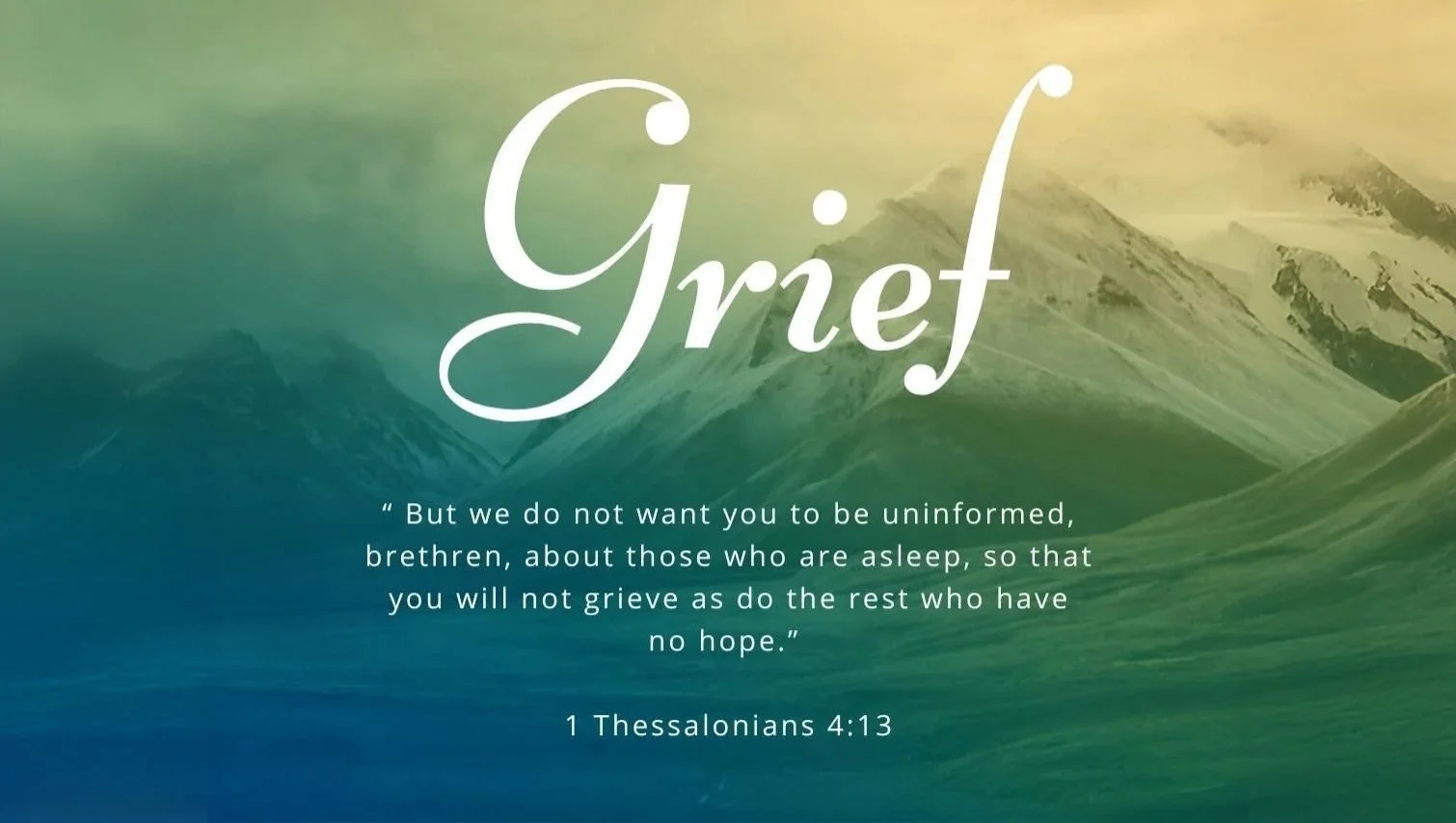
Grief dissolves the gilded images we create for ourselves. Loss creates a rare moment when the carefully constructed facades people wear crack open, revealing the raw and tender humanity and faith beneath. The composure, pride, hope, faith and insistence that everything is “under control” lay scattered among anger, confusion, fear and longing. In these moments, more than any other, friends, neighbors and colleagues see the substance of a person’s faith (or lack of it).
The world attempts to comfort the grieving with placations that “death is natural.” The absurd assertion that “death is a part of life” ventures to address the universality of grief. While such statements acknowledge sorrow, they fail to redeem it. Broken hearts grow accustomed to despair when they’re offered explanation without hope.
Those who grieve without Christ know only a sorrow that cannot penetrate the depth of questions that have eternal power like “Why?” and “What now?”

Greener Pastures in the Harvest Field
When we discuss church history, it’s important to remember that what we call the “modern missions movement” is indeed just that — modern. The church has always carried the gospel, but the organized, global missionary efforts we know today have not always been around.
For centuries, the work of missions was sporadic and localized. Bright moments shine as we look to the shadows of the past. Boniface brought the gospel to Germanic tribes. The Moravians sold themselves into physical bondage for an opportunity to see spiritually imprisoned people set free. What we think of with global missions today (boards, societies, sending networks) is a recent development.
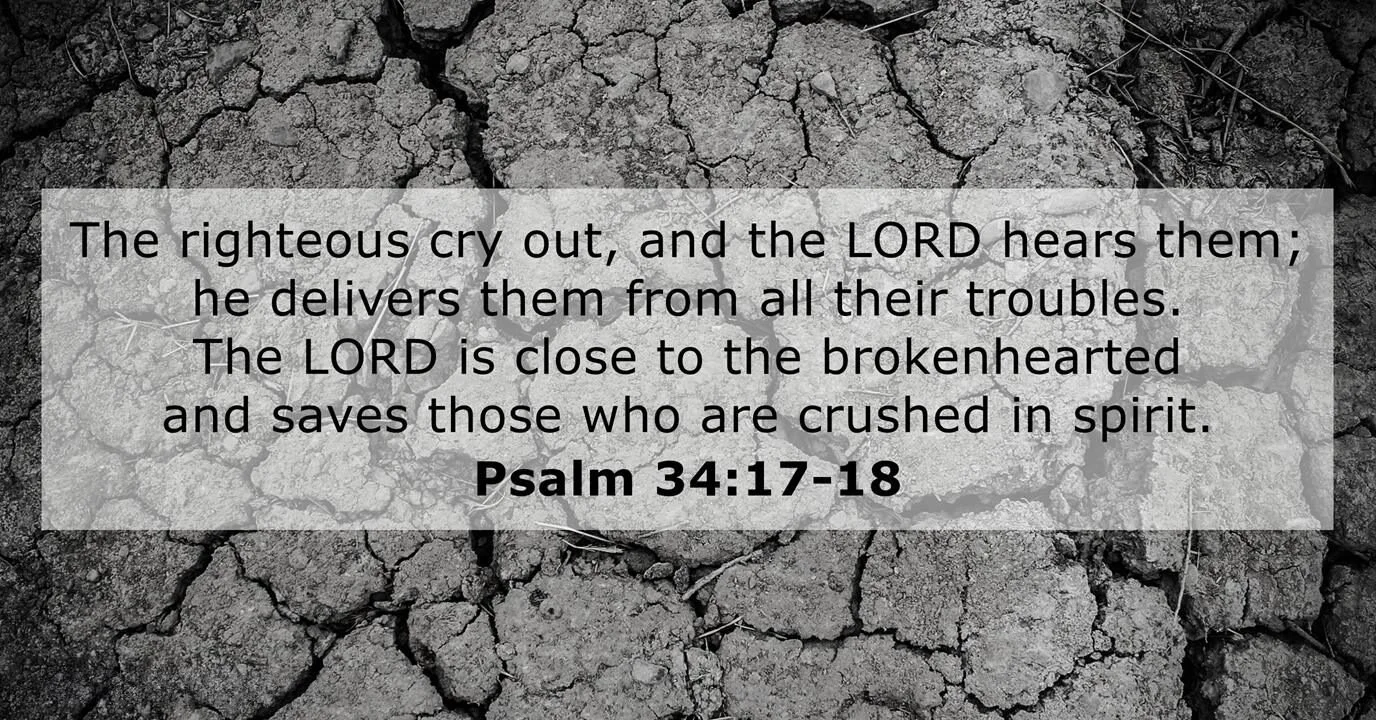
Handling Grief with God in Sight
I’ve heard well-meaning Christians try to make sense of sorrow by saying, “The world is broken. Evil exists because of human disobedience. God has nothing to do with it.” I understand their intentions to defend the goodness of God. Nevertheless, in doing so, they unintentionally push Him out of the place where we need Him most — our pain.
Our God is not absent from our grief. He is not wringing His hands in Heaven, wishing things had gone differently. The God of the Bible isn’t navigating a chess game against wickedness. He remains in control even over the darkest valleys we walk through. That truth sustains hope.

Faithful to the Past, Faithful for the Future
One of the greatest treasures God has given us is our heritage. We are the heirs of a legacy forged in sacrifice and seasoned with prayer. Ours is a story of men and women who believed the gospel enough to live for it, and in some cases, to give their lives for it.
People with such a legacy live in a kind of tension. Heritage can be a root system that nourishes fresh growth and keeps us firmly planted in the truth. But, if we hold onto only the outward form of what once was, it can also become something menacing, tangled roots that choke out gospel vitality.
I have seen both extremes. Understood heritage becomes a living testimony, a foundation for mission, evangelism and discipleship. Boilerplate nostalgia preserves memories while losing momentum.








A Theology of Hopeful Resolve
Pastoral leadership must be rooted in resurrection logic. The cross teaches us to take sin seriously, while the empty tomb teaches us to take grace even more seriously. We do not lead with shallow slogans or borrowed positivity. Instead, we lead from the deep wells of a gospel that defeats death and makes all things new.

The Business of Truth
We do no favors by withholding the truth. If we care for people, we will share the difficult realities gracefully and without compromise. There’s no room for flattery — only faithfulness in the pursuit of truth.