Green Pastors Seeking Greener Pastures
This column appears in The Baptist Trumpet weekly. In addition to Derrick’s column, a wealth of information, inspiration, and opportunities to become involved in the work of the Baptist Missionary Association can be found in this periodical. Check it out for yourself!

The Heart Behind Babel
Reflecting on how my view of a familiar Bible story has changed as I’ve matured in my walk with God.

When Discipline Becomes the Destination
Many believers know how to follow Christ but have never truly understood why. We teach spiritual disciplines—Bible reading, prayer, service—but too often disconnect them from their divine purpose. Without intimacy, discipline becomes drudgery. Without awe, even obedience can harden the heart. Discipleship isn’t about perfect habits — it’s about persistent hunger for the presence of God. The goal is not a polished routine, but a restored relationship. In the end, we are not meant to manage spiritual motions but to meet with the living God who restores the soul.

Shepherding with Sensibility: Navigating AI in Ministry
AI is here, and it’s not going away. Just as people once resisted email and text messaging, AI will soon become a regular part of our daily tasks and productivity. The problem users will face in adopting new technology will likely concern ensuring our professional ethics keep up with technological advancements. Just because a tool can be used doesn’t mean it should be used.
How do leaders, still learning and growing, navigate to the greener pastures AI potentially provides? By clearly articulating our values as shaped by Scripture, we can wield the tool of technology wisely. After all, success in ministry goes beyond efficiency and ultimately concerns our faithfulness to the path God has set before us.

The Blessing of a Godly Family
We often study the Bible with a magnifying glass. We look at portions of Scripture in digestible and manageable pieces. The bigger picture evades us if we neglect committing ourselves to reading large portions of Scripture in a single sitting, as we would with any other book. In the early chapters of Genesis, we find the roots of our own family stories. We see pain and promise. We see sin’s reach and God’s rescue. Tucked alongside the brokenness of humanity’s fallen condition, we find a truth that gives every family hope — God works through generations, blesses through faithfulness and carries out His redemptive plan through imperfect but surrendered families.

The Need for Artists, Not CEOS, to Lead the Next Generation
the past generation of church leadership focused on strategy and execution, the future will belong to visionaries. The church needs leaders who can imagine, not just manage.
This shift will elevate the quiet artist, the deep thinker and the unconventional innovator. Their ability to imagine what the church can become will make them more influential than traditional executive-style leaders. Those who have tethered their identity to “leadership” must begin to untangle themselves from that narrative. It’s time to embrace something more eternal. We don’t need more church CEOs. We need theologians who can communicate profound truth compellingly. We need poets and storytellers who can capture the beauty of the gospel. We need shepherds who don’t just manage people but create culture — forming communities of faith that reject corporate models and embody the Spirit-driven life of the church.
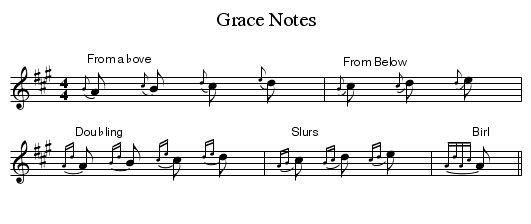
Pastor, Don’t Forget to Play the Grace Notes
Discipleship is a living melody, a lifelong song of faith that moves forward without pause. Like the bagpipes, discipleship requires grace notes — small, intentional acts of patience and gentleness that soften transitions and make the journey more beautiful.
Paul writes in II Tim. 2:24-25, “And the Lord’s servant must not be quarrelsome but must be kind to everyone, able to teach, not resentful. Opponents must be gently instructed, in the hope that God will grant them repentance, leading them to a knowledge of the truth” (NIV). Gentleness and patience are not mere suggestions but biblical hallmarks in spiritual formation.
Without patience and gentleness, discipleship risks becoming a harsh and rigid process. We can’t risk speaking the truth without love, correcting without compassion or demanding growth by human will instead of trusting the Spirit’s timing. When we play the grace notes, we create a melody that reflects the kindness of Christ and a dependence in our ministry upon God’s provisions for spiritual growth.

Writing Devotionals As Someone Who Doesn’t Like Devotionals
I have a confession: I don’t like devotionals. That might sound odd from a pastor — especially one posting devotional reflections on Facebook. Ironically, just a couple of months ago, I preached on the discipline of Bible study and casually mentioned my disdain for most devotionals. A week later, I started writing them.
Many devotionals on Christian bookshelves are shallow and hollow. Most devotionals I’ve encountered seem more concerned with making me feel good about myself than leading me to wrestle with the weight of God’s Word. Scripture calls us not merely to be encouraged but transformed (Rom. 12:2). The ministry of the Word should strive for transformation over mere inspiration. But what if devotionals, when done well, could be a tool for this kind of renewal?
I realized my disdain may have been misguided as I sat down to write my own. Devotionals are popular because they provide a structured way for believers to engage with Scripture daily. They fit into the hectic lives of modern Christians. While devotionals feel thin, they serve as an entry point. If they draw people to Scripture, they serve a purpose.

Note to Self - Lessons I Keep Learning (and Forgetting)
Have you ever watched a dog chase his tail? Pastoring often feels like walking in circles. I find myself stumbling through and learning lessons the hard way. Upon reflection, those lessons are repeat courses. Relearning what I had already applied and forgot led me to write this article for myself. You may need to tuck this away, too. Here are a few lessons I keep coming back to:
Stronger Together - Living Out the Mission of Our Association
I prayed for opportunities to strengthen our association, but the process hurt more than I expected. I never imagined it would mean fewer members worshiping with us on Sunday morning.

Dealing with the Monday Blues - Lessons from Generational Perspectives
Intergenerational wisdom addresses overcoming Monday discouragement in different ways. Younger generations need to learn to adapt some of their parents’ and grandparents’ perspectives to faithfully serve God (even when they don’t “feel” like it). Likewise, more experienced generations could benefit from understanding how to motivate and encourage those behind them.
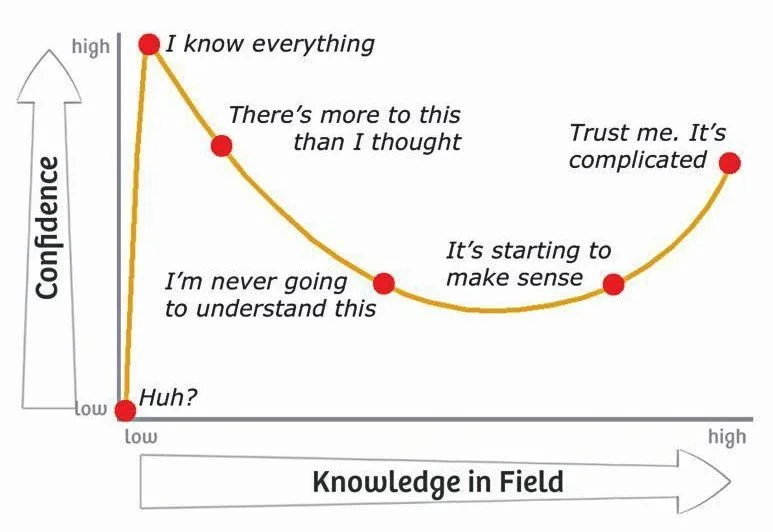
The Dunning-Kruger Effect in the Christian Life
As a young pastor, my greatest joy comes from helping people grow in their understanding of God and His Word. However, one of the most significant challenges in ministry is assisting people to recognize when they still have more to learn. Especially when speaking from the perspective of a man 50 years younger than them! This difficulty reminds me of a psychological phenomenon that has gained much attention lately — the Dunning-Kruger Effect. From my non-psychological perspective, the concept offers some insight into spiritual growth.

Looking Ahead - The Next Ten Years
While the next decade’s challenges are real, so are the opportunities. As a green pastor, I see the coming years not as a crisis to endure but as a frontier to explore. The value of a younger perspective includes creativity — seeing beyond obstacles to embrace new ways of fulfilling the Great Commission. We can navigate these shifts with a clear vision if we take a biblical approach. Here are some key challenges I predict will face our churches in the next 10 years and how we can respond faithfully:

From Burnout to Breakthrough
It starts as a deep, passionate and unwavering calling. A young pastor steps into ministry eager to shepherd God’s people. Over time, the weight of expectations, endless responsibilities and a culture that demands more than it empowers take their toll. Burnout sets in, and the pastor wonders if a greener pasture exists elsewhere.
Many pastors wrestle with this feeling. The pressures of leadership and ministry, partnered with the loneliness of pastoral isolation, can exhaust even the most dedicated servant. Some pastors leave the ministry entirely. Others move from church to church, searching for a place where ministry feels easier. But what if the problem isn’t the church or the workload? What if the problem is how we approach ministry?

Shepherding a Convicted Saint
When we experience conviction in our lives, we recognize it as the work of the Holy Spirit (John 16:8). Our maturity in the faith leads us to appreciate conviction as an essential component of continued spiritual growth. Unfortunately, our human nature often responds to the discomfort of the Spirit’s prodding with deflection, defensiveness and dismissiveness. Regardless of our role in ministry, we must remember that the anger of a convicted saint rarely concerns us as personally as it seems.
A Young Pastor’s Perspective
Stepping into pastoral ministry as a young man often feels like standing at the crossroads of immense privilege and profound responsibility. While many seasoned pastors reflect on decades of faithful service, young pastors like me are beginning to navigate the challenges and joys of shepherding God’s people. As I’ve embarked on this journey, I’ve come to appreciate the timeless truths of Scripture, the wisdom of those who have gone before, and the unique role God has called me to fulfill.